
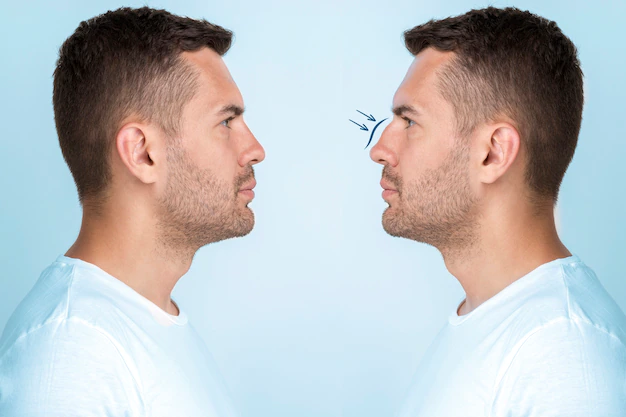
Nose aesthetics or rhinoplasty, is the name given to surgical operations performed to change the shape of the nose.


Reasons for having rhinoplasty include repairing deformities in an injury, changing the physical appearance of the nose to correct a birth defect or improving some breathing difficulties.

In some cases, both breathing difficulties and physical appearance may be among the reasons behind choosing the rhinoplasty option.


Rhinoplasty can change the bone, cartilage, skin layer or all three if necessary. When planning rhinoplasty, the rhinoplasty surgeon will consider other features of the person’s face, the skin in the nose, and what the person wants to change. Candidates deemed suitable for nose surgery will prepare a personalized plan for them. During this process, the doctor will perform a complete physical test, including laboratory tests such as blood tests. He will also examine the facial features of the rhinoplasty candidate and the inside and outside of his nose. In this way, it is possible to determine what changes need to be made and how physical characteristics such as skin thickness or cartilage strength at the tip of the nose can affect the results. Physical test is also important to determine the effect of rhinoplasty on breathing.

Photographs of the nose can be taken and images can be manipulated by the surgeon with the help of a computer to show what kind of results are possible. The rhinoplasty surgeon will also use these photos for before and after evaluations, during surgery and for long-term reviews with reference.


It is usually possible to leave the hospital on the same day after nose surgery. It is important to have someone available person to assist you to return home, especially if the surgery will be performed on an outpatient basis.


Preparations Before Nose Aesthetics


It is necessary to avoid drugs two weeks before the operation. These types of drugs can increase bleeding. Only drugs approved or prescribed by the nasal surgeon should be used.

Also, herbal medicines, natural ones and supplements should be avoided. It is necessary to stop or take a break from smoking. Smoking slows the healing process after surgery and increases the chance of getting an infection.


In which cases should rhinoplasty be performed?


Rhinoplasty is applied for nose arch appearance, droopy nose, correction of the angle between the nose and forehead or between the nose and lips, deformations such as nose width, nose fractures, nose enlargement, nose reduction or asymmetrical problems in the nose.


Nose aesthetics (Rhinoplasty) can be applied not only for aesthetic appearance, but also for problems such as nasal concha, sinusitis or deviation in the respiratory tract.


What should be considered after nose surgery?


Rhinoplasty is one of the most preferred aesthetic operations recently. Although nose aesthetics are now easy operations that can be discharged on the same day, there are some situations that should be considered after the operation.


Patients are discharged 6 to 7 hours after the nose operation. Patients with rhinoplasty need to be extremely careful about their health, not to smoke, and to take precautions such as protecting their nose against and damages.


What is the recovery process after nose surgery?


The recovery period of patients who have nose surgery may vary from person to person. It can change within a week to 2 months after the nose operation. The full fit of the aesthetic nose varies between 6 months and 1 year.


Things to consider after nose surgery;


  • You should not do heavy sports.
  • You must protect your nose from damages.
  • The nose takes its full shape after 6 months.
  • Alcohol and cigarettes should not be used.
  • You need to be protected from sunlight.
bonanzaslot88